


Home NewsCompany News
I have been designing inclusive playgrounds for over 10 years as a playground equipment supplier, witnessing all sorts of designs.
There are specific rules we used in our factory project:
One client placed a large wooden puzzle table near the base of a slide exit. Kids were running off the slide, shouting, throwing balls, while another child was trying to quietly complete a 24-piece farm animal puzzle. The puzzle kid couldn’t focus. Gave up in 2 minutes. Parents said: “There’s nowhere calm to sit.”
We moved the puzzle table to a back corner, away from traffic flow. Added soft panels on two sides. Installed dimmable lighting. After reopening, that table became one of the most-used spots during midday hours.
The following are some common sensory devices placed in quiet and high-stimulation areas, respectively:
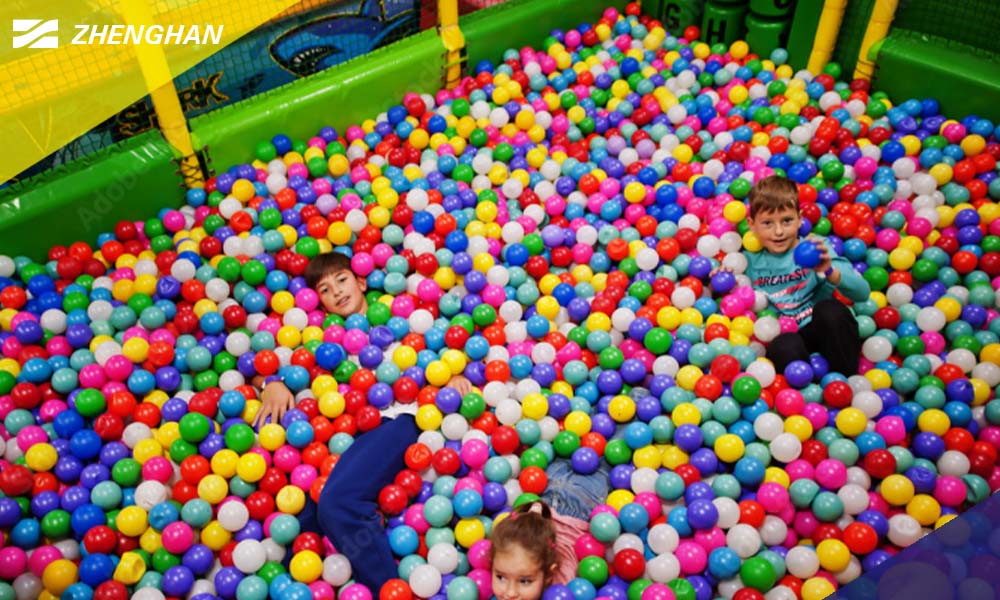


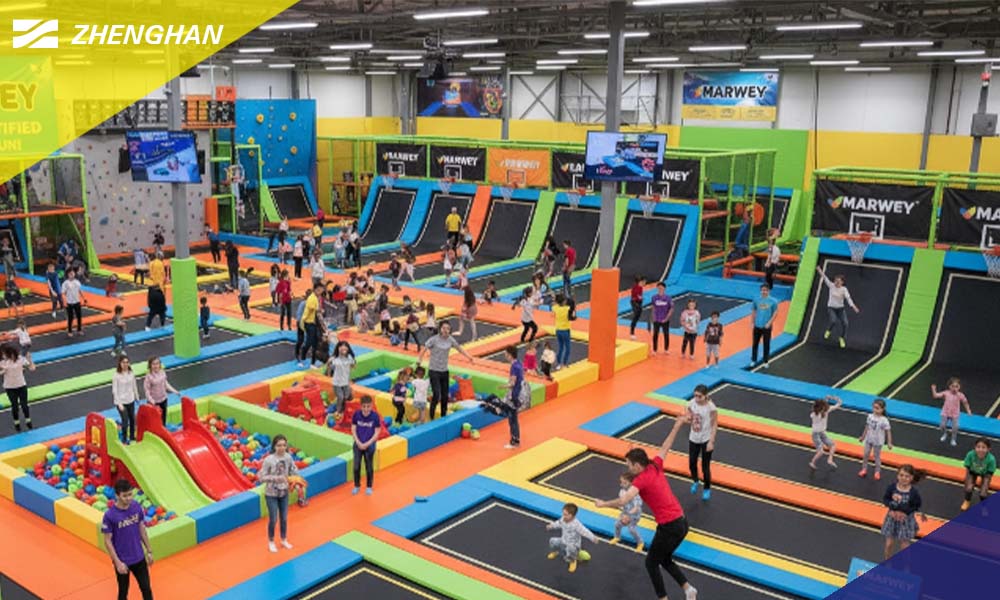
In an inclusive indoor playground design, it is recommended to maintain a 3–5 meter buffer zone between quiet sensory areas and high-stimulation activity zones. This helps reduce noise interference, improves safety, and allows children with different sensory needs to enjoy the space comfortably.
A quiet sensory zone with equipment such as a ball pit, sand pit, sensory activity wall, and soft climbing ramps should be positioned at least 3–5 meters away from high-energy attractions like spiral slides, trampoline areas, ninja obstacle courses, or climbing towers.
This buffer distance helps minimize sudden noise and movement, preventing overstimulation for sensitive children while also ensuring that high-energy play does not interfere with calm exploration activities.
For spaces suitable for interaction among friends, I typically use the following soft partitions: Low padded walls, half-height padded screens, and small storage cabinets with padded tops.
When I design an “inclusive” soft-play area, I don’t just think about the front door being wide enough. I think about the entire route a wheelchair user or a child with limited mobility has to take.
In our layouts, main passages are kept wide and clean. No random soft blocks dumped in the middle, no low arches you have to duck under. Where there is a change in level, we add gentle ramps instead of step-ups. A child in a wheelchair, or a caregiver pushing one, should be able to move from entrance to quiet corner to activity area without doing a slalom.
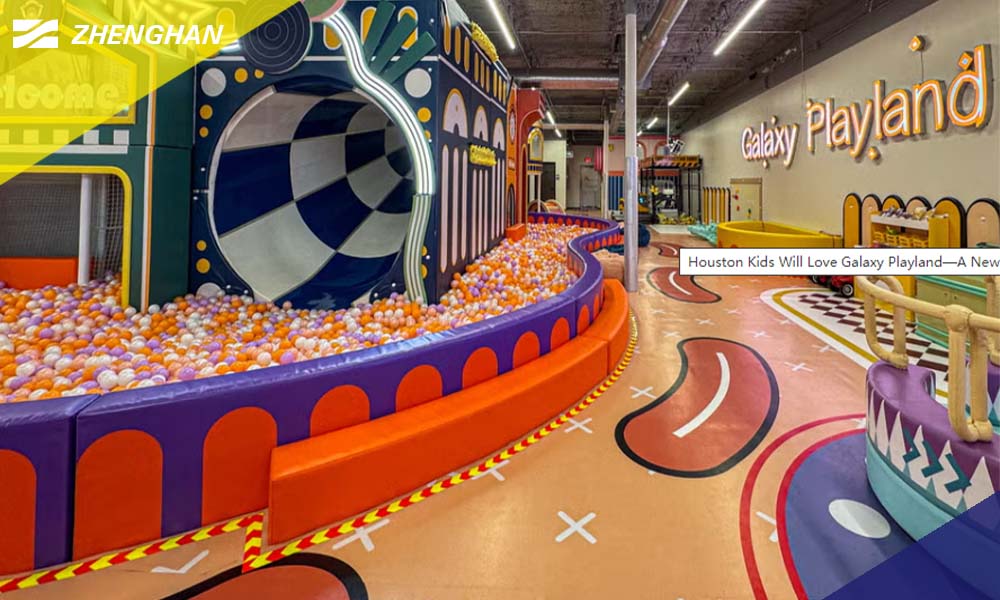

Accessible doesn’t only mean you can roll past it. We design soft play elements that can be reached and enjoyed from a seated position such as:
If a child can only watch other kids play from the corridor, that’s not inclusive design. The path, the height, and the play patterns all have to be thought through.
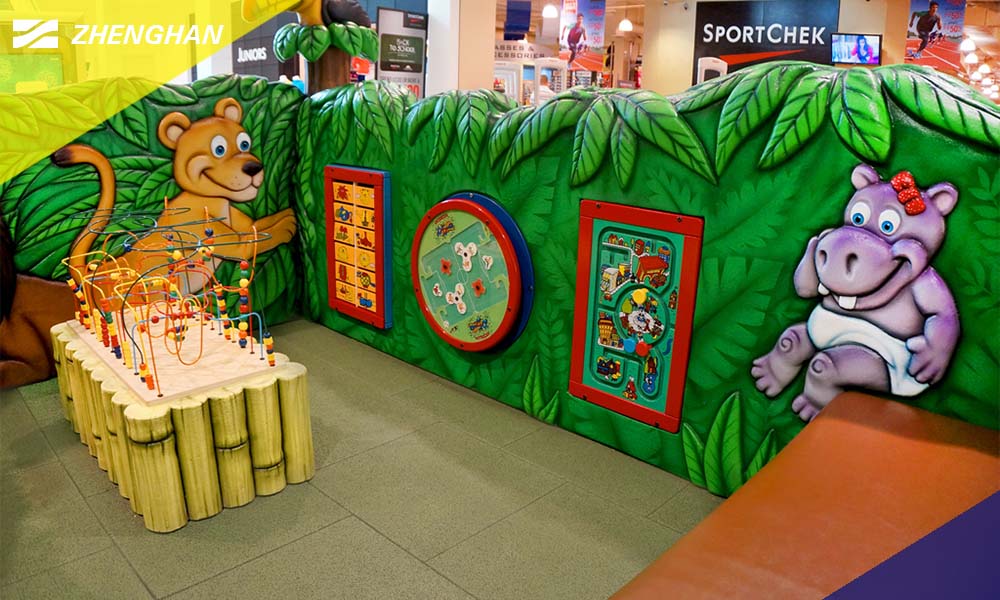

Some people talk about sensory play in soft playgrounds, they often think bright colors or decorative panels. Actually, sensory design is much more about how children experience sound, touch, and visual interaction within the space.
Typical elements include:
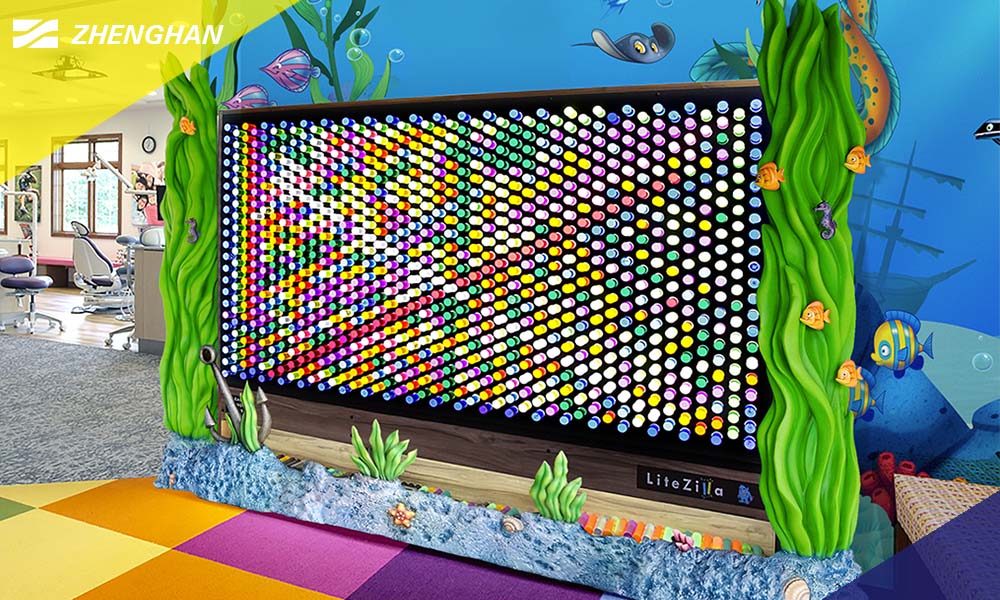

In one indoor playground, the original layout placed several sound buttons directly next to a sensory wall with puzzle panels. Children quickly discovered the buttons and started pressing them repeatedly, which caused the whole corner into a noisy spot and made the puzzle panels almost impossible to use.
Our solution: moved the sound elements closer to an active area and kept the tactile wall in a calmer area. The change was simple, but the effect is very good.
Another crucial element of an inclusive playground is a quiet resting environment. Inclusive playgrounds are typically high-energy, with slides, climbing frames, and running children. Without a relatively quiet corner, some children who prefer peace and quiet may feel uncomfortable. Rest areas are usually not located in the center of the playground but rather along the perimeter, away from high-energy play equipment such as large slides or trampoline areas.
In our past client, the initial design did not include a rest area. Parents often had to sit near the entrance with their young children who needed rest. Repeat customers also decreased significantly.
In a later layout adjustment, we added a small rest area where children who prefer quiet could stay. Children who are tired from playing can stay there for a few minutes before continuing to play, which helps extend their time in the playground and makes the whole environment more comfortable.
Therefore, quiet rest areas are an important and indispensable part of inclusive playground design.
An inclusive playground is designed for children of all abilities. I make sure it has accessible routes, sensory play zones, and active areas for all kids. The goal is to create a space where everyone can play together comfortably.
Zoning helps keep quiet sensory areas separate from high-energy zones. I always leave a 3–5 meter buffer to reduce noise and overstimulation. This separation makes the playground more comfortable and safe for all children.
I include tactile panels, sound elements like soft chimes, and visual cues like rotating gears. These elements help children interact with the space and engage with different senses. I place them in quieter zones away from high-energy play areas.
Accessible routes ensure children with mobility challenges can move easily through the playground. I focus on wide paths and gentle ramps. Play structures are also designed at low heights for easier access.
Quiet retreat spaces give children a chance to rest away from the noise. I place them away from active areas like slides and trampolines, offering a calm environment for children to relax and return to play when ready.
Copyright © 2024 Wenzhou Zhenghan Play Equipment Co.ltd