


Home NewsCompany News
I have been in the indoor playground industry for 10 years. I do not sit in a trading office with a suit and tie. I own the factory. I walk the production floor every day. I see the steel, the PVC, the motors, and the foam before they ever get packed into a container.
Because I build the equipment, I also see what happens after the sale. I see which parts break. I see which designs get sued. I see which parks shut down in two years and which ones order a second location.
A lot of new investors come to me with a layout they got from a free design website. They ask me: what are typical age range for indoor playground projects?
They expect me to say something simple like "put a fence here."
But the answer is not about fences. It is about money.
If you get the zoning wrong, you are not just risking safety. You are burning cash. I have seen parks where 20% of their annual revenue goes into fixing things that shouldn't have broken.
In this post, I am going to tell you the truth about age zoning. No marketing fluff. Just the raw data from my factory floor.
Let’s start with the biggest mistake I see on quotation sheets.
You are looking at a budget. You see an inflatable castle for the toddler area. It is big. It is colorful. And the price is very low compared to a mechanical structure. You think, "Great, I save money here."
Stop right there.
As a manufacturer, I love selling inflatables. They are easy to make. But as a partner who wants you to succeed, I have to be honest: Inflatables are a money pit for toddler zones.
Here is the math nobody shows you:
The Lifespan Reality:
A standard commercial inflatable, under heavy daily use, starts to fail in 6 to 12 months. The seams stretch. The air blowers burn out. The material gets punctured by zippers or shoes.
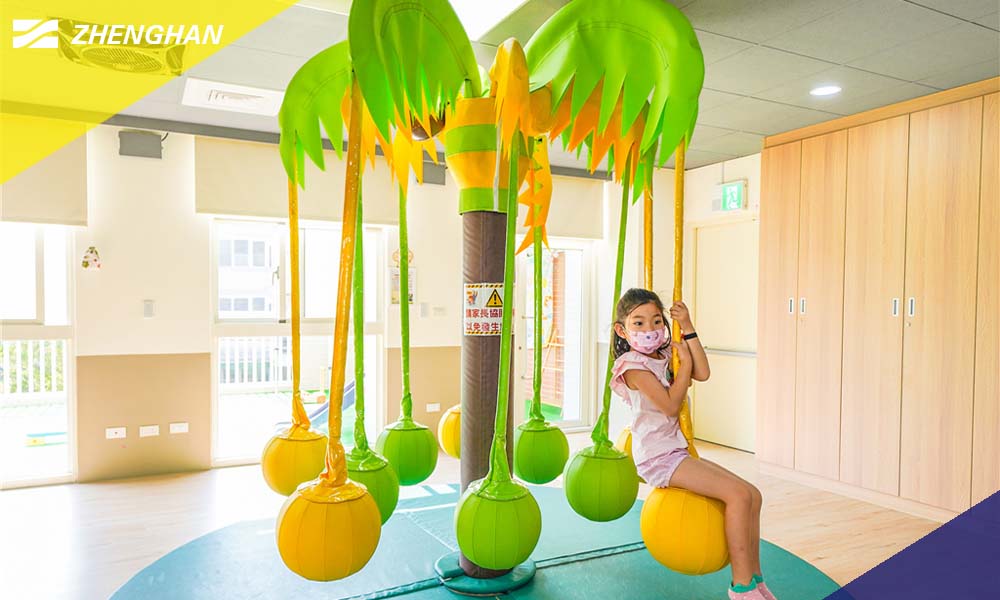
Compare that to Soft Electric Play products (like a slow-rotating coconut tree or a soft UFO). My factory builds these with heavy-duty motors and steel cores. Their design life is 5 years with almost zero maintenance.
The "Duct Tape" Look:
When an inflatable tears, you have to patch it. I have visited parks where the toddler zone looks like a patchwork quilt of duct tape and glue. What does a mother think when she sees that? She thinks the place is dirty and unsafe. She does not come back.
The Boredom Factor:
A 2-year-old jumps on a bouncer for 8 minutes. Then they are done. It is boring. But a soft electric system moves. It interacts. It holds their attention for 20 or 30 minutes. That gives the parents a break. Happy parents buy more coffee. Happy parents buy monthly memberships.
So, although the soft electric indoor playground equipment costs more on day one, it is actually cheaper by year two. Do not buy a product that you have to throw away every year.
If your safety plan relies on a teenage employee shouting "Hey, get out of there!" at a 10-year-old, you have already failed.
Staff get tired. Staff look at their phones.
A real playground company designs the layout to control the children automatically. We call this "Passive Control."
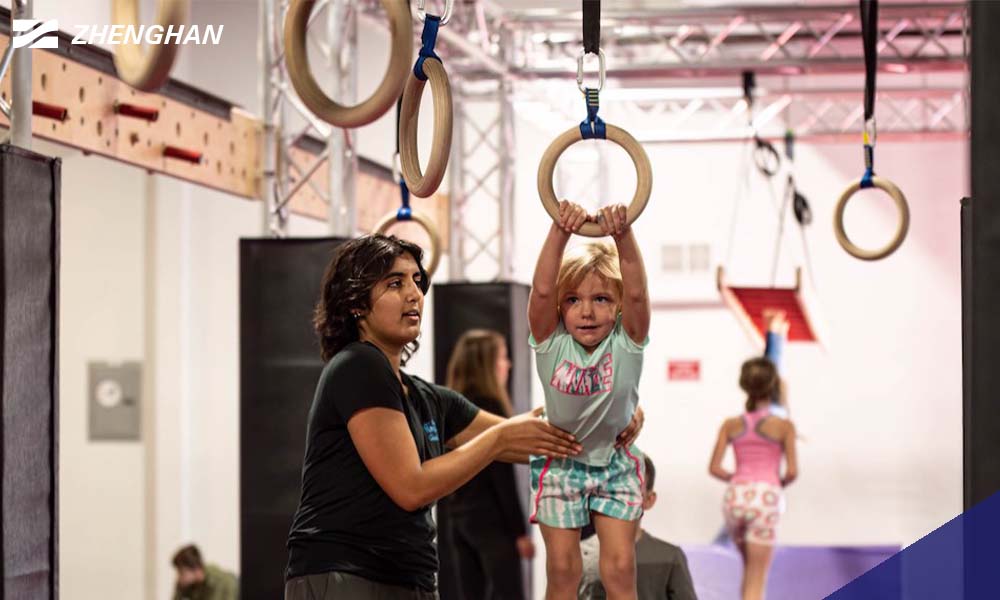
Let me tell you about a project we did recently in the United States. The client was terrified of liability lawsuits. He needed to make sure the big kids (7-12 years old) stayed away from the toddlers (0-3 years old).
We didn't just put up a sign. We used Physical and Psychological Barriers.
The Physical Barrier (The 120cm Rule):
We manufactured the entrance arch of the toddler zone specifically to be low. We set the clearance at roughly 120cm.
Think about the behavior of a 10-year-old boy. He runs. He wants speed. If he sees a tiny door he has to duck under, it breaks his flow. He physically cannot rush in. It sounds stupidly simple, but in operation, it cut the collision rate by huge margins.
The Psychological Barrier (The "Baby" Effect):
Inside that zone, we placed equipment that screams "baby." We put in slow rocking horses. We put in low-level crawling mats.
When a 9-year-old looks at that gear, his brain says: "This is for babies. I look cool. I do not belong here."
He turns around and runs to the ninja course or the spider tower.
We solved the safety problem with steel and foam, not with payroll. That is how you should think about design.
This is the part where most trading companies go silent.
They will tell you their product is "High Quality." What does that mean? It means nothing.
In my factory, we use different materials for different zones. This is not to make things complicated. It is because a toddler bites, and a 12-year-old stomps.
The Floor and Platforms (0.45mm PVC):
For the main structure where kids run, jump, and slide, we use 0.45mm wear-resistant PVC.
Why this thickness? Because friction is the enemy. Thinner vinyl (like the 0.35mm stuff many cheap factories use) will rub through in six months. Once the wood inside is exposed, you have to shut down the area to re-wrap it. That costs thousands in labor.
The Toddler Soft Touch (0.9mm PU):
In the 0-3 zone, we switch the decorative leather to 0.9mm PU (Polyurethane).
This is much more expensive than PVC. Why do we pay for it?
Two reasons. First, the touch. It feels like real leather, soft and warm. Toddlers spend a lot of time on their hands and knees.
Second, the toxicity. Toddlers put their mouths on everything. PU is cleaner, environmentally safer, and holds color better. Parents can feel the difference immediately.
The 10cm Life Saver:
Ask your supplier about the "Slide Exit Mat."
In my factory, we have a hard rule: every slide exit must have a landing mat that is 10cm thick with high-density foam.
Not 5cm. Not 3cm.
When a heavy child comes down a fast slide, the impact on their tailbone is real. A thin mat wears out and loses its bounce in weeks. A 10cm mat absorbs the shock for years. This detail alone has saved my clients from countless injury complaints.
I know you want your park to look amazing on Instagram. I get it.
But please, do not waste your budget on complex, light-sensing electronic toys for the toddler area.
I have sold them. I have installed them. And I hate them.
Here is what happens: A client buys a $2,000 fiberglass interactive panel with lights and sensors. It looks futuristic. Two weeks after opening, a kid spills juice on it. Or hits it with a plastic shoe. The sensor dies. Now you have a dark, useless piece of plastic on your wall. You call the supplier. They say, "Send it back to China for repair." You are not going to do that. So it stays broken.
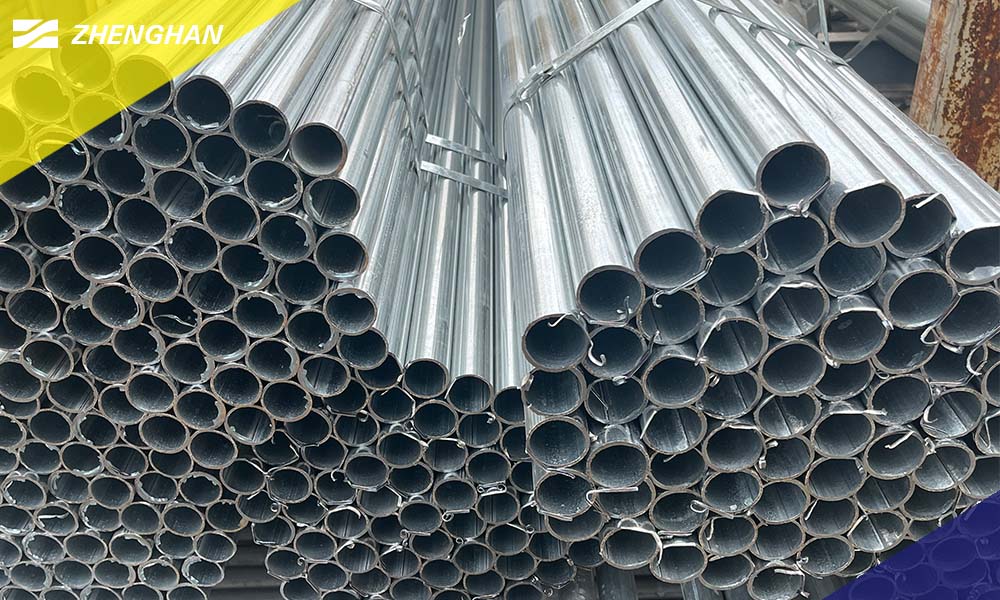
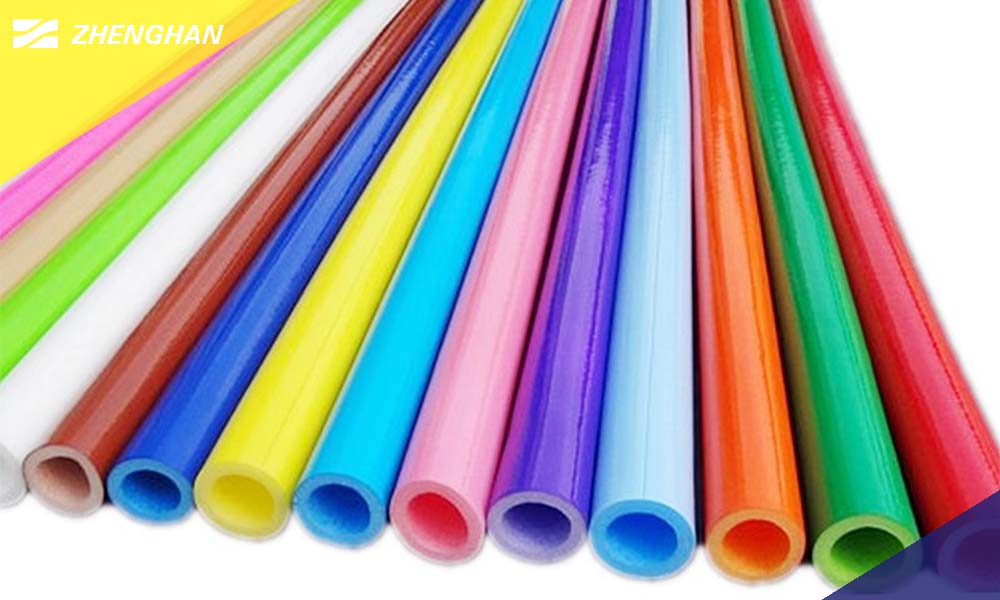
My advice: Take that $2,000 and spend it on upgrading your steel pipe thickness or getting better floor mats. For the 0-3 age group, Cleanliness and Safety are the product. Moms do not care if the wall lights up. They care if the floor is soft and the edges are smooth.
Different countries have different rules. If your supplier uses one standard for the whole world, they are lazy.
For example, looking at guardrails:
For 0-3 years: We usually follow standards that require openings to be very small (to prevent head entrapment) and heights to be at least 600mm.
For 3-8 years: The requirement often jumps to 700mm or higher.
Why not just make everything 2 meters high?
Because visibility matters.
In a toddler zone, parents usually stand outside the fence drinking coffee. They need to see over the rail to check on their child. If I build a fortress wall, the parent gets anxious. They cannot see.
So we build to the standard—high enough to be safe, low enough to keep visual contact. This balance is critical for the customer experience.
Let’s talk about your wallet.
I track data from my clients. I have been doing this for a decade. The pattern is undeniable.
Scenario A: The Mixed Mess The client did not zone properly. Big kids run through the toddler area. They step on the soft foam toys. They sit on the mini-carousel that was meant for 15kg babies, not 40kg boys. Result: The equipment breaks. The foam gets crushed. The skins tear. Annual Maintenance Cost: 15% to 20% of the original equipment price.
Scenario B: The Factory-Zoned Layout The client used the physical barriers. The big kids stay on the trampoline and the ninja course. The toddlers stay in the soft zone with the electric toys. Result: The heavy steel takes the heavy abuse. The soft foam takes the gentle abuse. Everything works as designed. Annual Maintenance Cost: 3% to 5% of the original equipment price.
Think about that. On a $100,000 project, that is a difference of $15,000 every single year.
Over a 5-year lease, good zoning saves you $75,000. That is enough to buy a brand new attraction.
When you ask what are typical age range for indoor playground projects, you are really asking: "How do I build a machine that prints money instead of burning it?"
The answer is simple but strict:
Separate the ages physically (0-3 and 4-12). Use long-lasting electric motors, not cheap inflatables. Demand the right materials (0.9mm PU vs 0.45mm PVC). Don't fall for flashy electronics that break.
I build playgrounds for a living. I want you to open your second location, not close your first one. If you want to see the specific technical drawings or material samples I talked about, send me a message. Let’s build something that lasts.
Q: Do I really need a separate toddler area if my building is small?
A: Yes. Absolutely. If you don't have a dedicated safe zone for 0-3 year olds, moms with babies simply won't come. You are cutting off 30% of your potential daytime revenue. Even if it is only 20 square meters, fence it off and pad it well. It pays for itself.
Q: Why is your quote higher than the trading company down the street?
A: Because I am pricing for your operation, not just for the shipping container. I use 0.9mm PU leather and 3-5 year lifespan motors. The trader uses 0.35mm generic vinyl and cheap inflatables. You can pay me a little more now, or you can pay the repairman 20% of your revenue every year. The choice is yours.
Q: What exactly are the typical age ranges for indoor playground zoning?
A: In 90% of successful projects, we split it into Toddlers (6 months to 3 years) and Juniors (4 years to 12 years). These two groups have completely different bone structures, behaviors, and risks. Mixing them is the #1 cause of injury lawsuits in this business.
Q: Can your indoor playground equipment pass inspections in my country?
A: Yes. We don't guess. If you are in the US, we build to ASTM F1918. If you are in Europe, we build to EN 1176. That means specific guardrail heights (600mm/700mm) and specific entrapment tests. We guarantee the pass because we build to the code from the very first weld.
Copyright © 2024 Wenzhou Zhenghan Play Equipment Co.ltd